Why Recording Your Rides Helps
A simple ride log helps you spot patterns, track progress, and make better decisions when it sits alongside care, tack, and timeline records in one place.
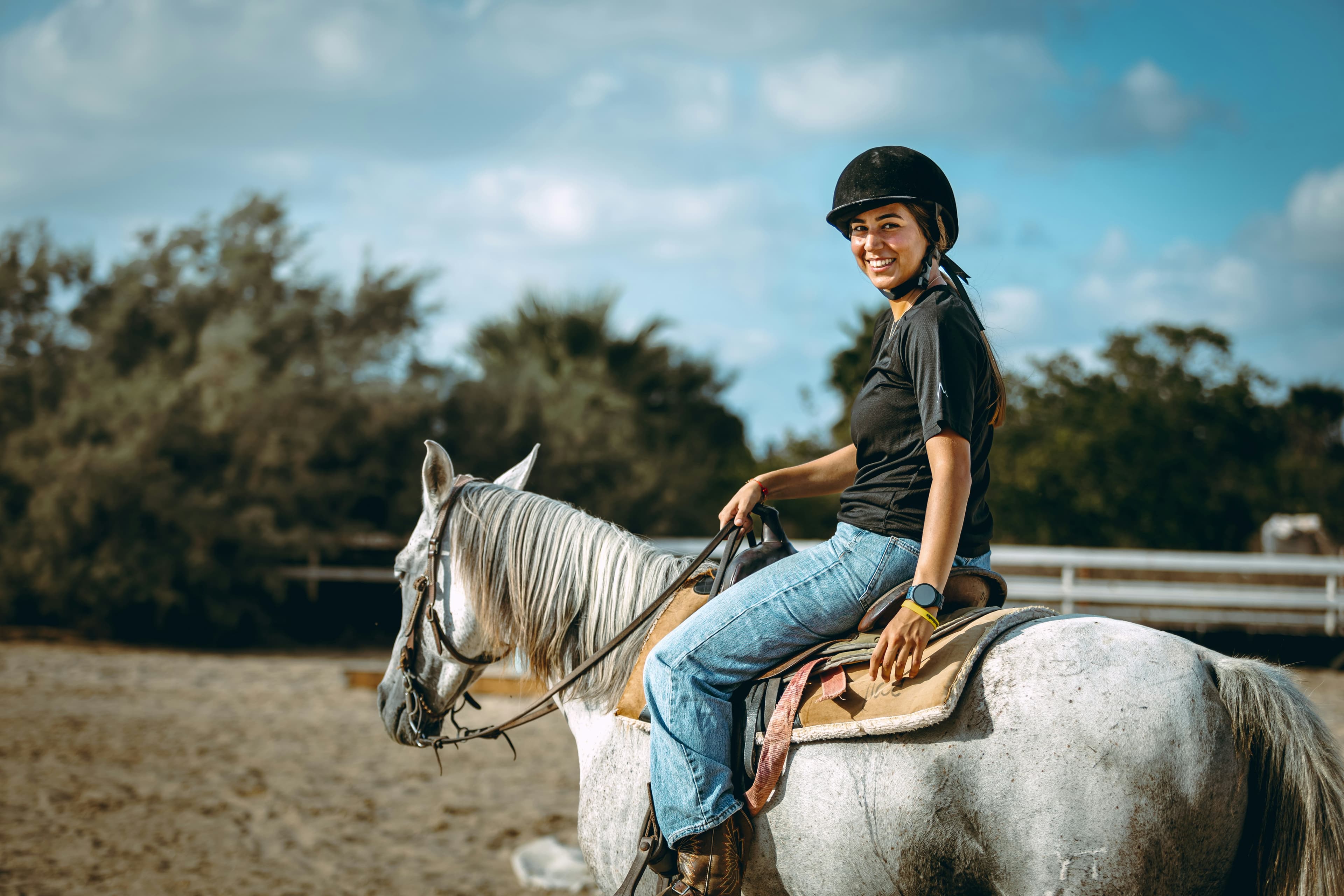
It is easy to finish a ride, untack, move on with the day, and tell yourself you will remember the important bits later.
Usually, you remember some of it. You remember that your horse felt better than last week, or that the left rein was sticky, or that they were sharper in the canter work. But over time, those details blur. What felt obvious on the day becomes harder to compare, harder to explain, and harder to use.
That is where a ride log becomes genuinely useful.
Recording your rides is about capturing the small details while they are still fresh, so they become useful later.
What a ride log helps you see
When you record a ride after each session, you start building a clearer picture of your horse over time.
You can track:
- how often you are riding
- what you are working on
- how your horse is feeling and behaving
- what conditions may have affected the session
- which tack was used
- what you want to revisit next time
One ride note on its own may not tell you much. Ten or twenty entries often tell you a lot.
You may realise your horse is consistently better after a lighter day beforehand. You may notice that stiffness keeps showing up in the same conditions. You may see that a training focus that felt repetitive is actually improving steadily week by week.
Why the extra details matter
A useful ride log is not just “rode for 40 minutes”.
The details make it meaningful:
- Location helps distinguish arena sessions, lessons, trail rides, clinics, and away days.
- Duration gives context around workload and fitness.
- Activity or focus shows what you were actually training.
- Performance or behaviour captures how your horse responded.
- Weather or arena conditions explains why one ride felt different from another.
- Tack used can help identify patterns in comfort, way of going, or behaviour.
- Notes and future goals make the next ride easier to plan.
These are the kinds of things that are easy to forget, but very helpful when you are trying to work out whether something is improving, staying the same, or starting to slip.
The real value is seeing rides in context
The biggest benefit comes when your ride log is not sitting in isolation.
If you record your rides in the same timeline as the rest of your horse’s history, the picture becomes much more useful.
You are no longer looking only at “how the ride felt”. You are looking at that ride in context with all your horse care.
A horse that suddenly feels tight, flat, resistant, or sharp under saddle may be reacting to training, workload, footing, tack, discomfort, routine changes, or something else entirely. When your ride notes sit in the same timeline as those other records, patterns become much easier to spot.
You can look back and ask more useful questions:
- Did this change start after a break?
- Was this before or after the last saddle fit?
- Has this behaviour shown up since the last worming or dental visit?
- Did the issue happen in one saddle, one arena, or one type of work?
- Have we actually improved, or does it just feel that way this week?
That is the difference between keeping scattered notes and keeping a record you can really use.
It also helps when working with professionals
Ride notes are not only for you.
They can also help you communicate more clearly with your trainer, instructor, saddle fitter, bodyworker, vet, or other equine professionals.
Instead of saying “something has felt a bit off lately”, you have a better record of:
- when it started
- how often it is happening
- what work seems to trigger it
- what tack was used
- whether the issue is improving, worsening, or staying the same
That kind of detail can lead to better conversations and better decisions.
You do not need to write a novel
A good ride log does not have to be long.
A short, honest note is usually enough. For example:
Working on transitions. Felt sharper today and more even in both reins. Indoor arena, 35 minutes, jumping saddle. Keep building straightness next ride.
Or:
Trail ride, 50 minutes. Relaxed to start, a little distracted near the gate on the way home. Warm weather, ground firm. Repeat this route again next week.
The goal is not perfection. The goal is consistency.
Why this works well in Fullstride
With Fullstride, your ride log can sit inside the same horse timeline as the rest of your records, instead of being split across notes apps, paper diaries, texts, and memory.
That means you can:
- record the ride while it is still fresh
- keep the training note attached to the right horse
- see ride entries alongside care and health history
- build a more complete picture over time
- make better use of the information later
If you are already recording the rest of your horse’s timeline, adding ride logs makes that timeline far more valuable. It turns isolated details into a connected record of how your horse is going, what has changed, and what might need attention.
If you are using Fullstride, start recording your rides as part of the same timeline. The more complete the record, the more useful it becomes.